
Drawing And Sample Translation
Convert drawings, old blade photos, samples or equipment models into controlled dimensions before production.
Profile, hole pattern, thickness and bevel direction.
Process
Manufacturing capability focuses on blade geometry, hole positions, heat treatment, thickness, edge finishing and repeat-order consistency for custom and replacement food machinery blades.
For custom food machinery blades, buyers usually care less about a generic process list and more about whether the blade can be installed, cut steadily and be reordered with the same fit.
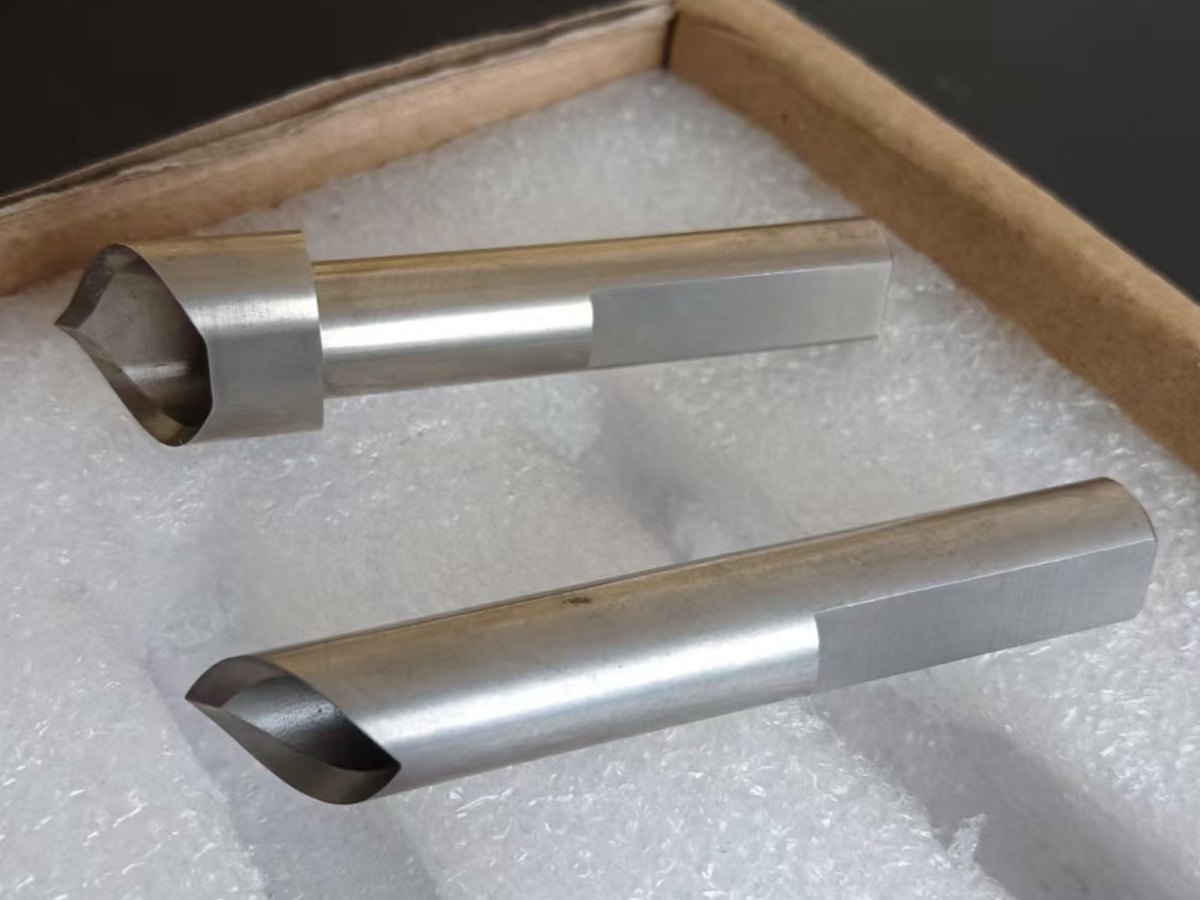
For an accurate quotation, send the blade drawing, old sample, material request and working application. Maanshan Lijian will use these details to confirm manufacturability and replacement fit.
Convert drawings, old blade photos, samples or equipment models into controlled dimensions before production.
Profile, hole pattern, thickness and bevel direction.
Focus on holes, slots, bore size and mounting surfaces that decide replacement blade fit.
Hole position, slot width, bore size and key installation dimensions.
Select material and hardness range according to food contact, washdown, cutting load and impact risk.
Steel grade, heat treatment target and hardness verification.
Control thickness, flatness and straightness before final edge finishing to reduce vibration and unstable cutting.
Thickness tolerance, flatness, straightness and surface condition.
Finish bevel, tooth form, serration or perforation pitch according to the food material and equipment speed.
Single or double bevel, edge angle, burr condition and tooth pitch.
Keep key dimensions and production notes for replacement batches, then pack for rust protection and export delivery.
Batch record, anti-rust packing, label and delivery schedule.
Production control for replacement fit, batch consistency and export delivery: material selection, CNC machining, heat treatment, grinding, edge finishing, inspection and packing.
Sharp, rust-prone blades need protection in transit, so every order is edge-guarded, rust-inhibited and export-packed to arrive ready to install.
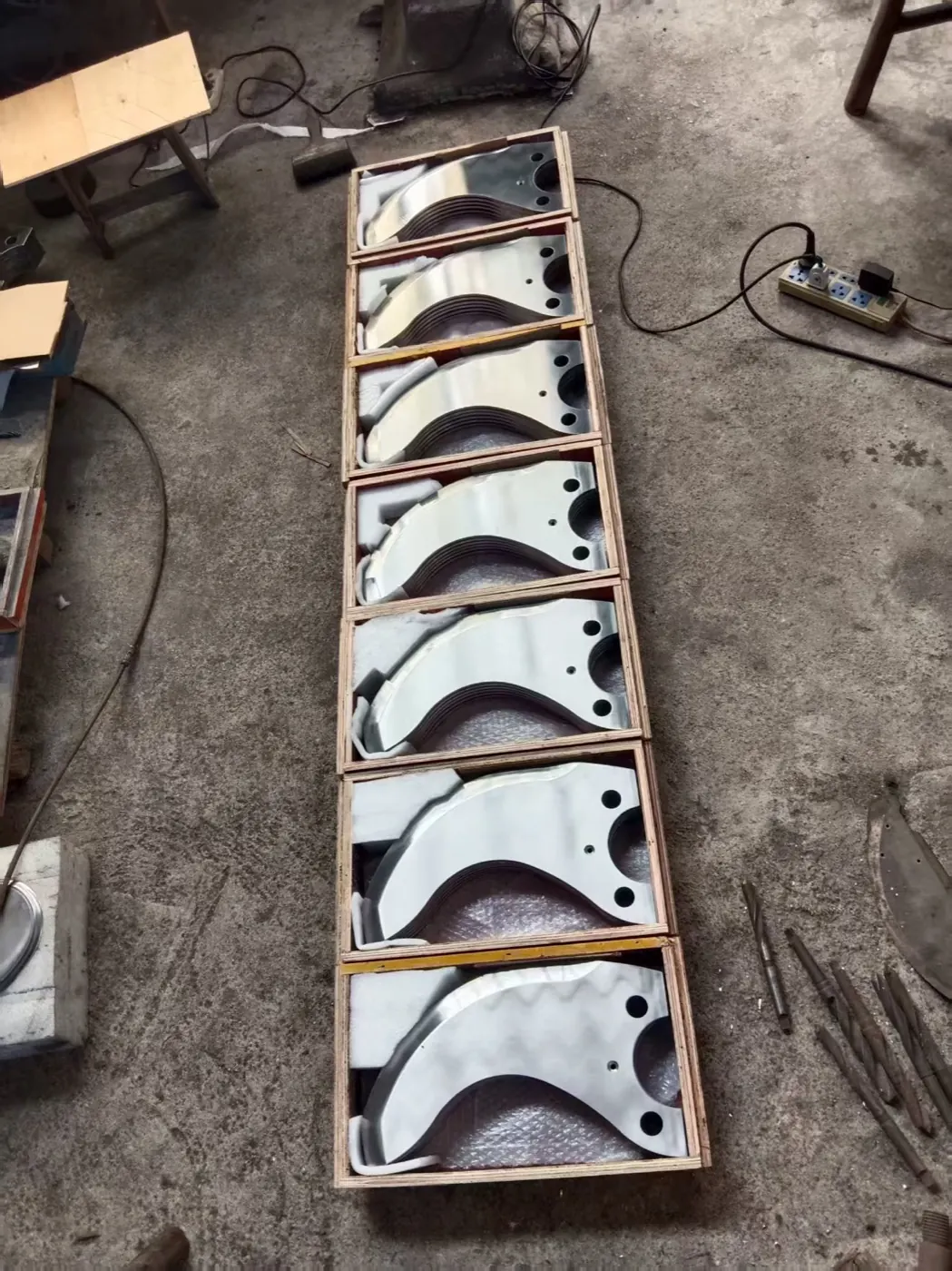


VCI paper or oil coating guards the steel against moisture and salt air on long sea routes.
Foam separation and edge sleeves keep bevels and tips undamaged during handling and transit.
Cartons on fumigation-ready wooden pallets or cases, labelled for sea and air freight.
Express, air or sea freight by order size and lead time, delivered FOB or CIF on request.
The approved specification connects the drawing, sample review and repeat order. Use it to define what will be made and which checks matter for your machine.
Identify the controlling drawing revision, material requirement, working edge and critical dimensions. Resolve worn or unknown sample features before treating them as manufacturing dimensions.
Agree the inspection points, documents, quantity and packaging requirements with the order. Confirm sample and production dates for the specific material and geometry rather than treating a general lead-time example as a fixed commitment.