Short answer
Food Processing Blade Material and Hardness Selection
For wet, salty or frequent washdown lines, stainless material and smooth finishing usually matter more. For dry, high-load or abrasive cutting, wear resistance and edge stability may be more important. Hardness should support edge life without making the blade too brittle for the working load.
Wet and washdown lines need corrosion control
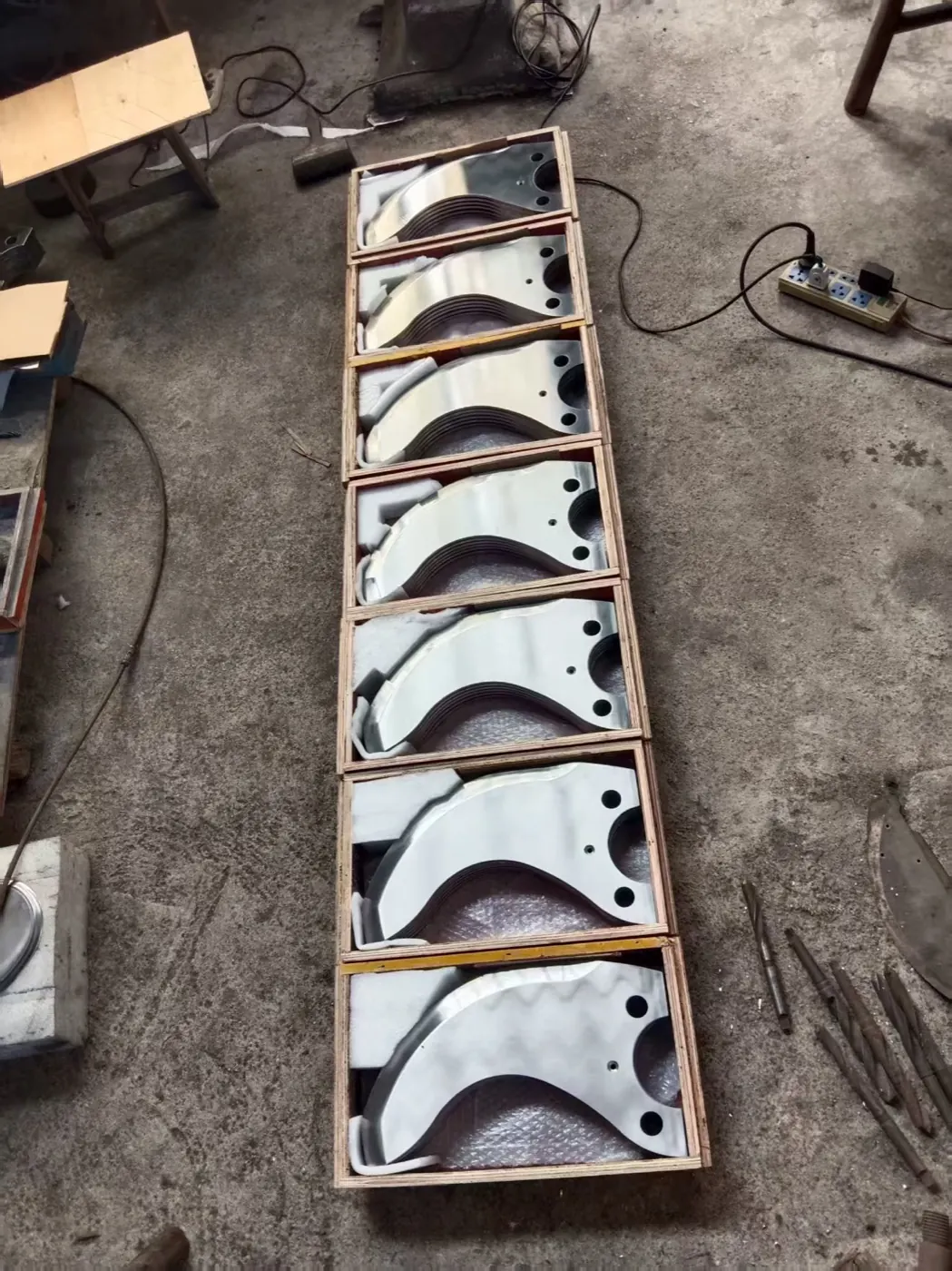
Seafood, poultry and many prepared-food lines expose blades to moisture, salt and cleaning. Stainless choices, smooth finishing and anti-rust packing reduce corrosion risk before and after installation.
High load cutting needs toughness as well as hardness
Frozen food, dense meat, packaging cut-off and some chopping positions may create impact. Hardness that is too aggressive can shorten practical life if the edge chips under load.
Edge geometry is part of material selection
A material discussion is incomplete without edge geometry. A thin edge helps clean slicing, while a stronger bevel may be needed for frozen or high-speed operations.
Compare materials using your actual working conditions
A useful material comparison starts with a shared specification. Send the same operating conditions and acceptance requirements with each request so proposed materials can be assessed on the same basis.
- Working environment
- Describe moisture, salt, food exposure and cleaning chemicals, including the normal cleaning procedure. Material selection must account for service and cleaning conditions together.
- Cutting load
- Provide the material being cut, temperature, speed and whether the cut involves impact. Review thickness and edge geometry alongside hardness rather than selecting hardness in isolation.
- Current failure
- State whether the concern is corrosion, gradual wear, chipping or an inconsistent cut. Include photographs and the current blade specification if available.
- Acceptance requirements
- Agree the material designation, hardness target, measurement method and locations, dimensional checks and any documentation required before production.
Does a higher hardness always mean a better blade?
No. Hardness is one part of a specification, alongside material, heat treatment, edge geometry and cutting load. If a blade is chipping, provide the operating conditions and damaged-edge photos before requesting a harder replacement. A hardness value alone does not establish expected service life.
How should an inspection report be used?
Check the sample identification, test date, measurement method and results against the agreed requirement. A report for another sample illustrates an inspection approach; it does not certify the material or performance of your order. Confirm which documents will accompany your batch.
What if the old blade’s material is unknown?
Provide any supplier drawing or material record, the used blade and a description of its service conditions. Mark the material as unknown instead of inferring a grade from appearance. Agree whether material identification or other inspection is needed before confirming a replacement specification.
Discuss blade requirement
How to discuss stainless steel, tool steel, hardness, corrosion resistance and edge life for food machinery blades.